
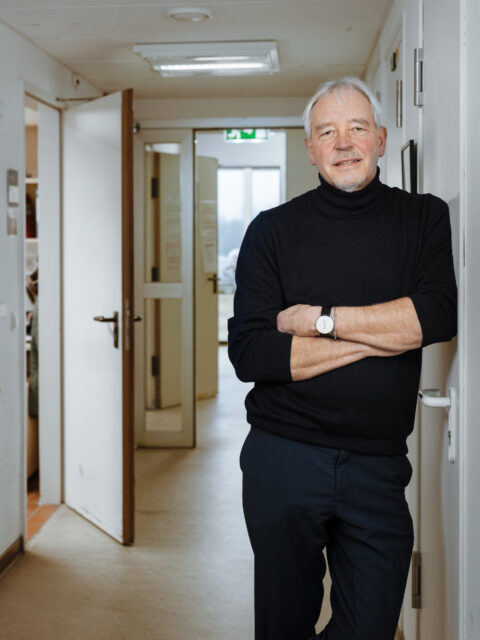
Thomas Bosch is a zoologist and comparative developmental biologist at Kiel University, Germany. His research focuses on the evolution and functioning of metaorganisms, with particular emphasis on the interactions between animals and their co-evolved microorganisms, how these relationships have evolved, and the mechanisms by which they are regulated. He has authored more than 200 scientific articles and was the founding director of the DFG-funded Collaborative Research Center (CRC/SFB 1182) “Origin and Function of Metaorganisms,” which addresses the role of multi-organismic interactions in health and disease. As a recognised thought leader on the importance of microbiota in the life sciences, his work aims to advance the concept of viewing living organisms as holobionts or metaorganisms. Bosch is a member of the German National Academy of Sciences Leopoldina and serves on several national and international academic committees and boards. His honours include an honorary doctorate from St. Petersburg State University, Russia (2004), the Karl-Ritter-von-Frisch Medal of the German Zoological Society (DZG) (2022), and the inaugural Microbiome Medal from Penn State University (2025).
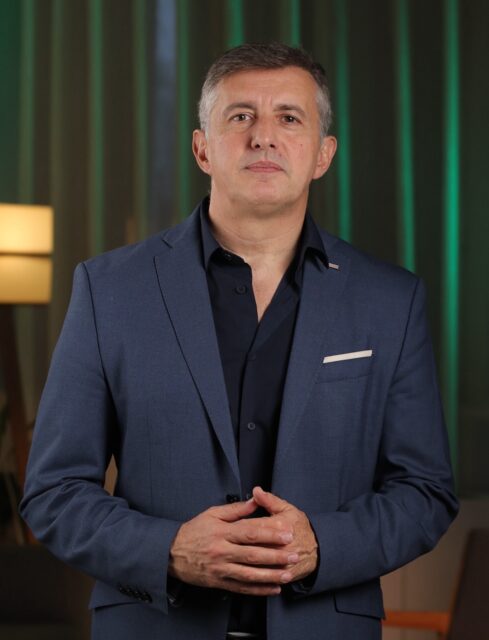
Gabriel Vinderola is a PhD in Chemistry and Principal Researcher at CONICET at the Institute of Industrial Dairy Products (INLAIN, CONICET-UNL), as well as Associate Professor in the Department of Food Technology and Biotechnology at the Faculty of Chemical Engineering, National University of the Littoral, in Santa Fe, Argentina. Since 1995, his research has focused on lactic acid bacteria, probiotics, prebiotics, postbiotics, fermented foods, and the gut microbiome. Since 2020, he has been an ad honorem member of the scientific advisory board of the International Scientific Association for Probiotics and Prebiotics (ISAPP). He has published more than 150 scientific articles and book chapters and serves as a reviewer for microbiome research projects for the journal Nature. Vinderola is also active in science communication through Instagram (@gvinde).
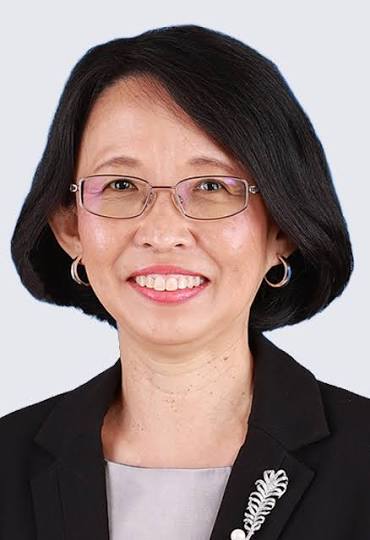
Yvonne Lim Ai Lian is Associate Deputy Vice-Chancellor (Academic & International) at Universiti Malaya and a Fellow of the Academy of Sciences Malaysia. She has held several distinguished leadership positions, including former co-chair of the Association of Pacific Rim Universities Women in Leadership programme and current co-head of Malaysia’s national SheLeads programme. Her research focuses on host–parasite interactions, microbiomes, and infectious diseases among indigenous Orang Asli communities, and has led to landmark discoveries published in Science and Cell. For nearly three decades, she has advanced community-based research in collaboration with Hospital Orang Asli Gombak and the Department of Orang Asli Development, integrating scientific excellence with ethical responsibility to underserved populations. Her contributions to national policy reflect a strong commitment to equity, public health, and community welfare. With more than 250 publications and extensive international collaborations, she brings expertise in scientific integrity, ethical stewardship, and translational impact to the Advisory Board.
Dibesh Karmacharya is the Founder and Executive Director of the Center for Molecular Dynamics Nepal (CMDN), Apex Bionet Pty Ltd (Australia), and BIOVAC Nepal Pvt. Ltd. His work lies at the intersection of genomics, public health, conservation biology, and biotechnology innovation. His research spans One Health surveillance, antimicrobial resistance (AMR), infectious disease intelligence, wastewater-based epidemiology, and the development of animal vaccines and probiotics. He holds a PhD from Griffith University and gained early industry experience in the United States and Australia. Through his leadership, he has developed CMDN into a regional genomics hub with active partnerships spanning Nepal, Australia, Southeast Asia, Zambia, and beyond.
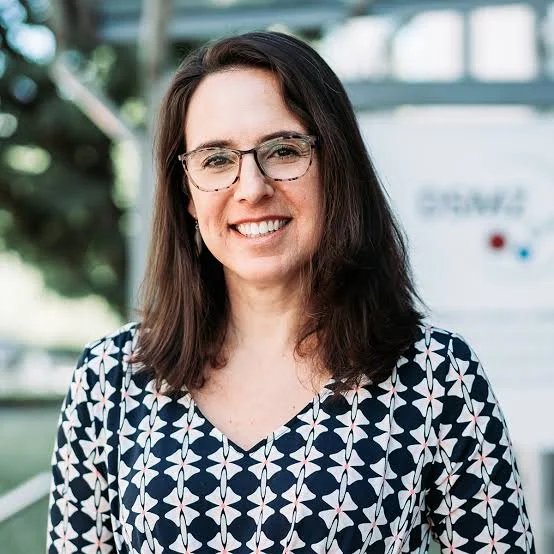
Amber Hartman Scholz is Scientific Deputy to the Director at the Leibniz Institute DSMZ (German Collection of Microorganisms and Cell Cultures), one of the world’s most diverse bioresource collections, housing approximately 75,000 bacteria, archaea, fungi, human and animal cells, viruses, and plasmids. Together with ATCC (the American Type Culture Collection), the DSMZ is one of the most widely used sources of microbes for researchers. In her role, Scholz is deeply involved in science policy and has expertise in how international treaties, including the Nagoya Protocol, intersect with the acquisition and sharing of biospecimens at large, non-profit biorepositories. She has published extensively on data access, equity, and benefit sharing in the context of the Convention on Biological Diversity, with particular focus on the impact of the Nagoya Protocol on microbiological research.
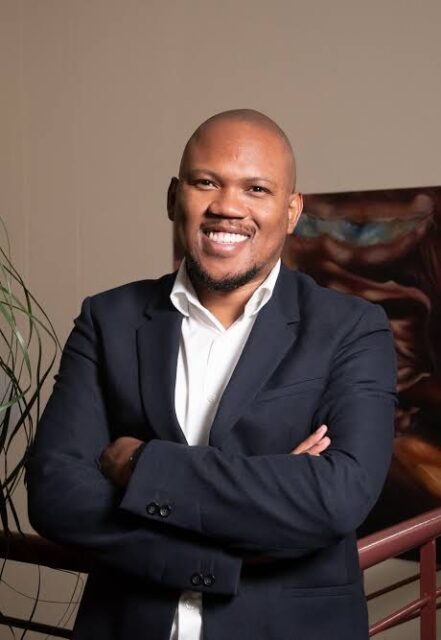
Thulani P. Makhalanyane is Professor in the Department of Microbiology and the School for Data Science and Computational Thinking at Stellenbosch University, where he holds the DSI/NRF South African Research Chair (SARChI) in African Microbiome Innovation. His research integrates microbial ecology, bioinformatics, data science, and innovation across environmental, marine, engineered, and host-associated microbiomes, with a focus on African-led solutions to challenges in health, food security, environmental sustainability, and climate resilience.
Makhalanyane has authored more than 120 peer-reviewed publications and serves in several international leadership roles, including Editor-in-Chief (Reviews & Perspectives) of The ISME Journal and Senior Editor of mSystems. His honours include the NRF Prestigious Award (P-rating), TW Kambule-NSTF Award, ISME Ambassador of the Year Award, and the South African Society for Molecular Biology and Biochemistry Silver Medal. In 2024, he was elected a Member of the Academy of Science of South Africa (ASSAf). He is also a Fulbright Scholar and is committed to research capacity building, diversity, and inclusion in STEM.
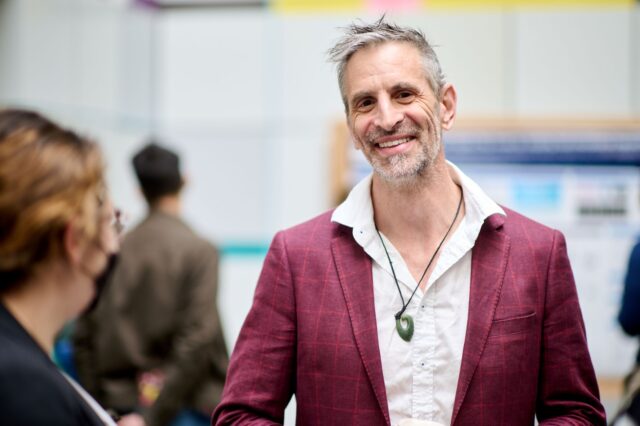
Eric J. Alm is Professor of Biological Engineering and Civil and Environmental Engineering at the Massachusetts Institute of Technology (MIT), where he also serves as Director of the Center for Microbiome Informatics and Therapeutics. He is an Institute Member at the Broad Institute of MIT and Harvard. His research combines data science and experimental biology to understand and manipulate the human microbiome for therapeutic applications. Alm has also co-founded several public health and biotechnology ventures, including OpenBiome, Biobot Analytics, and Finch Therapeutics. He holds a PhD from the University of Washington.